
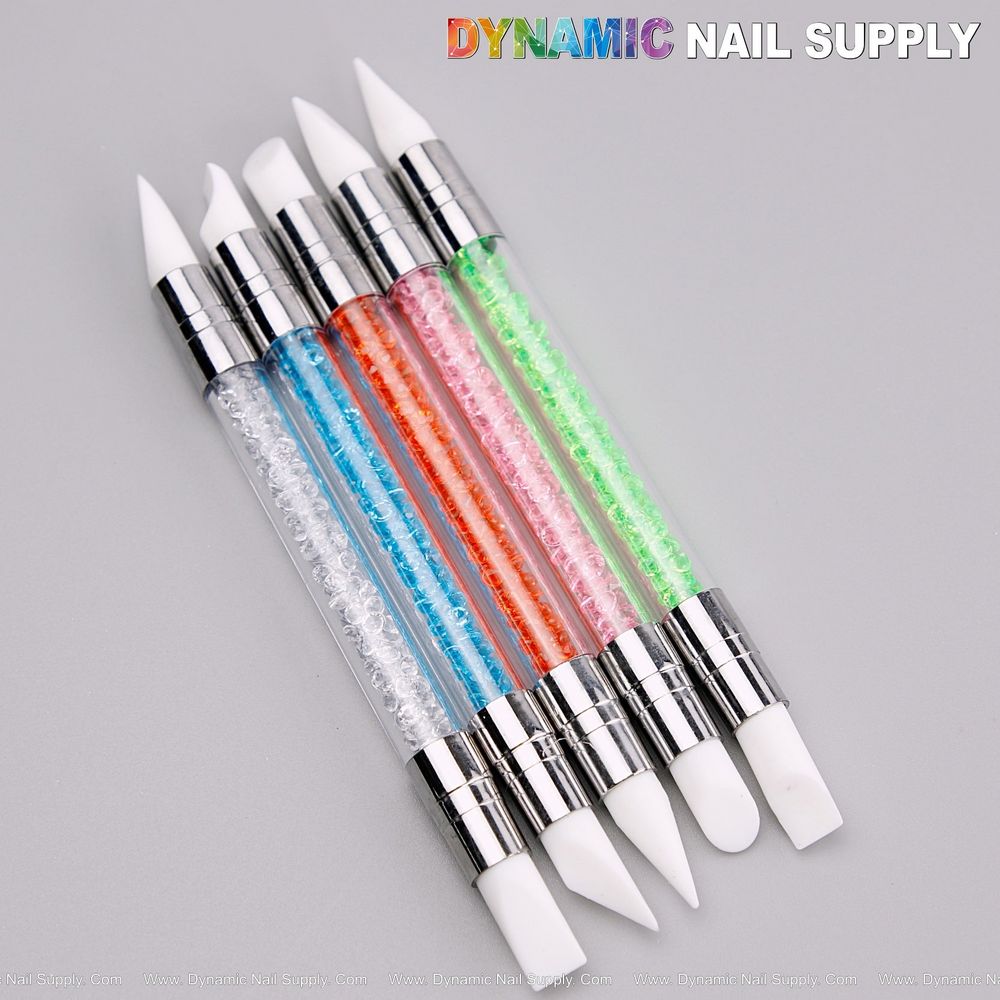
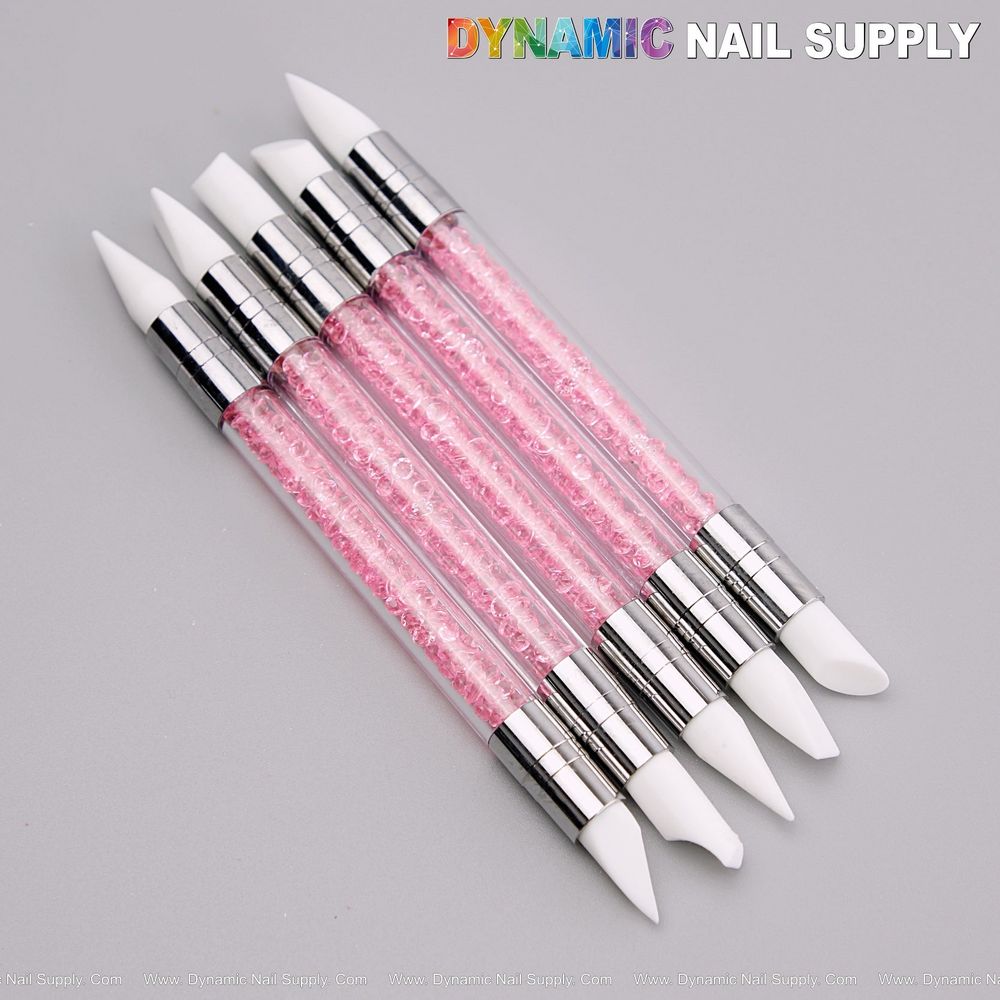
Adding 3D floral accents to gel services can elevate a basic manicure into a signature salon offering, but the tool you use determines speed, repeatability, and finish. A 3D molding silicone brush—especially a dual-ended one—helps technicians sculpt consistent petals, speed service, and reduce clean-up time when used with molding or solid gels.
In this article we map a salon-ready workflow and practical tips for using a dual-ended silicone sculpting brush. If you’re stocking tools, consider adding this silicone sculpting brush to your toolkit early in training sessions and consult with your team on placement and sterilization routines.
Why a silicone brush belongs in your service lineup
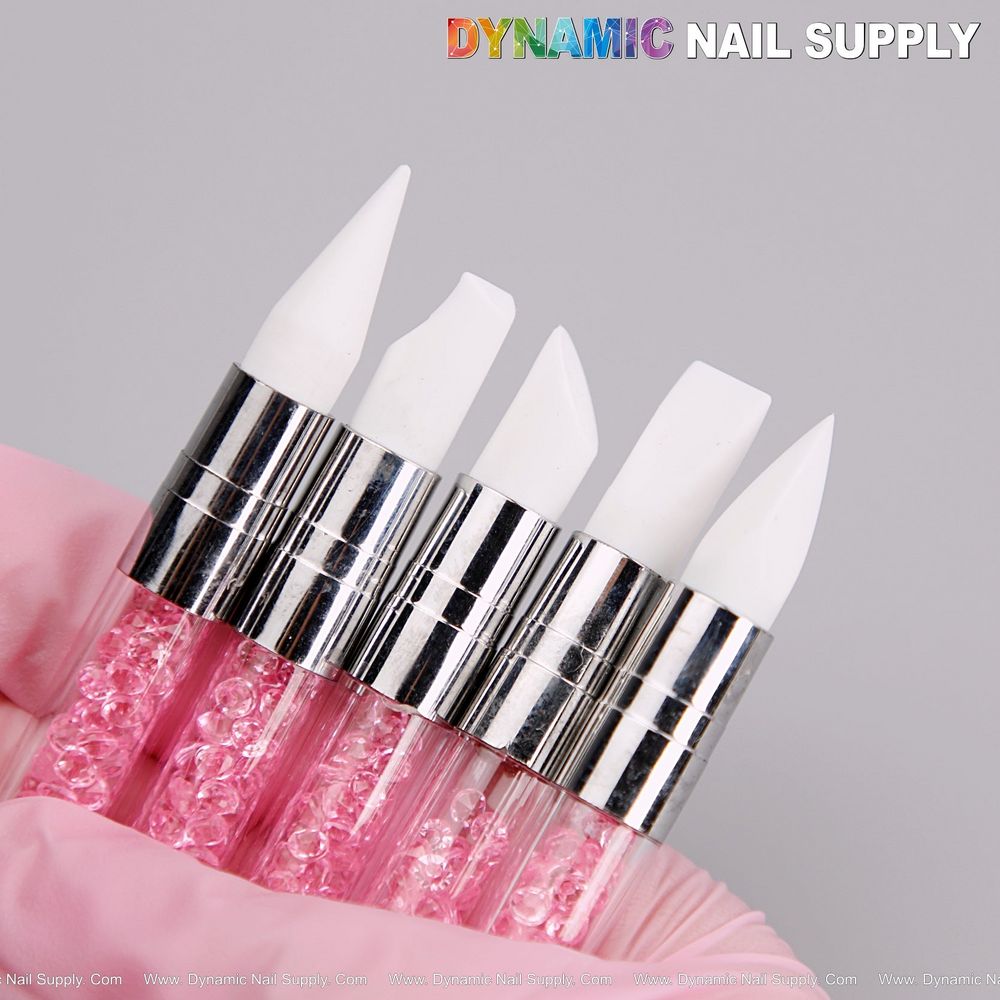
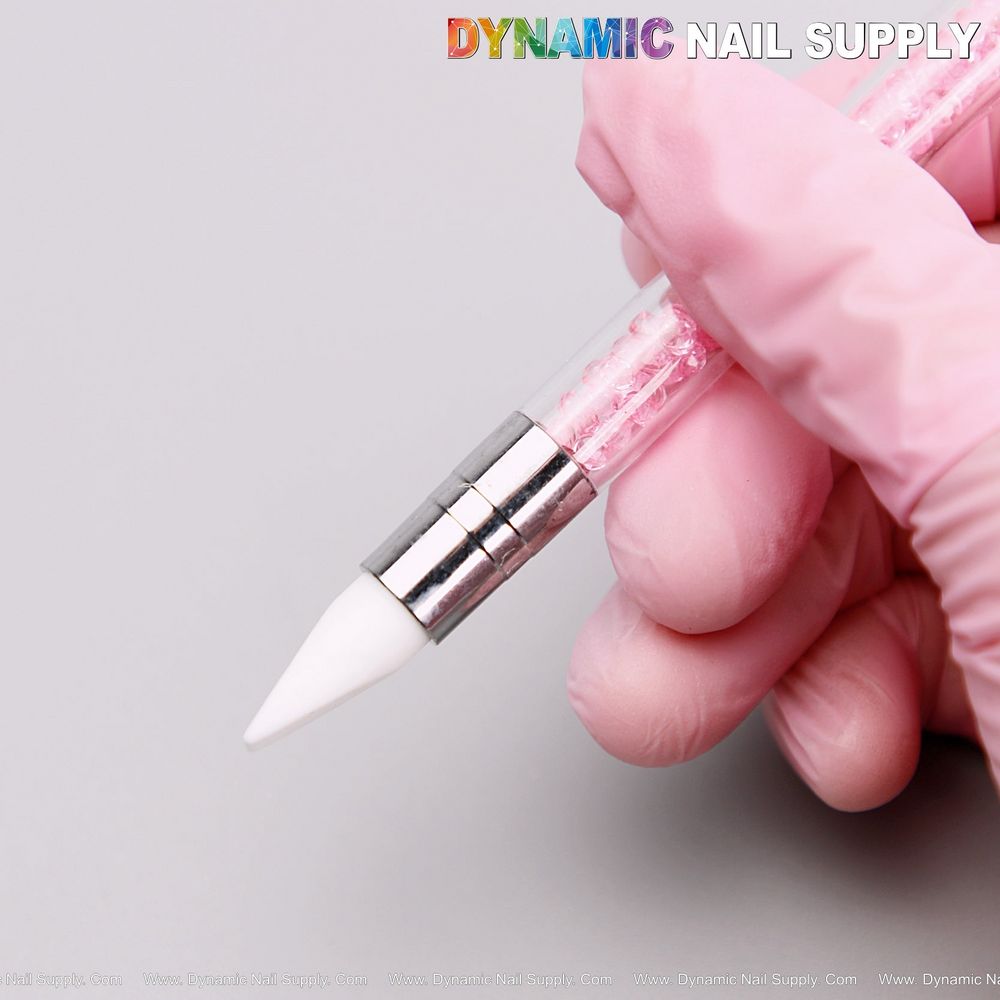
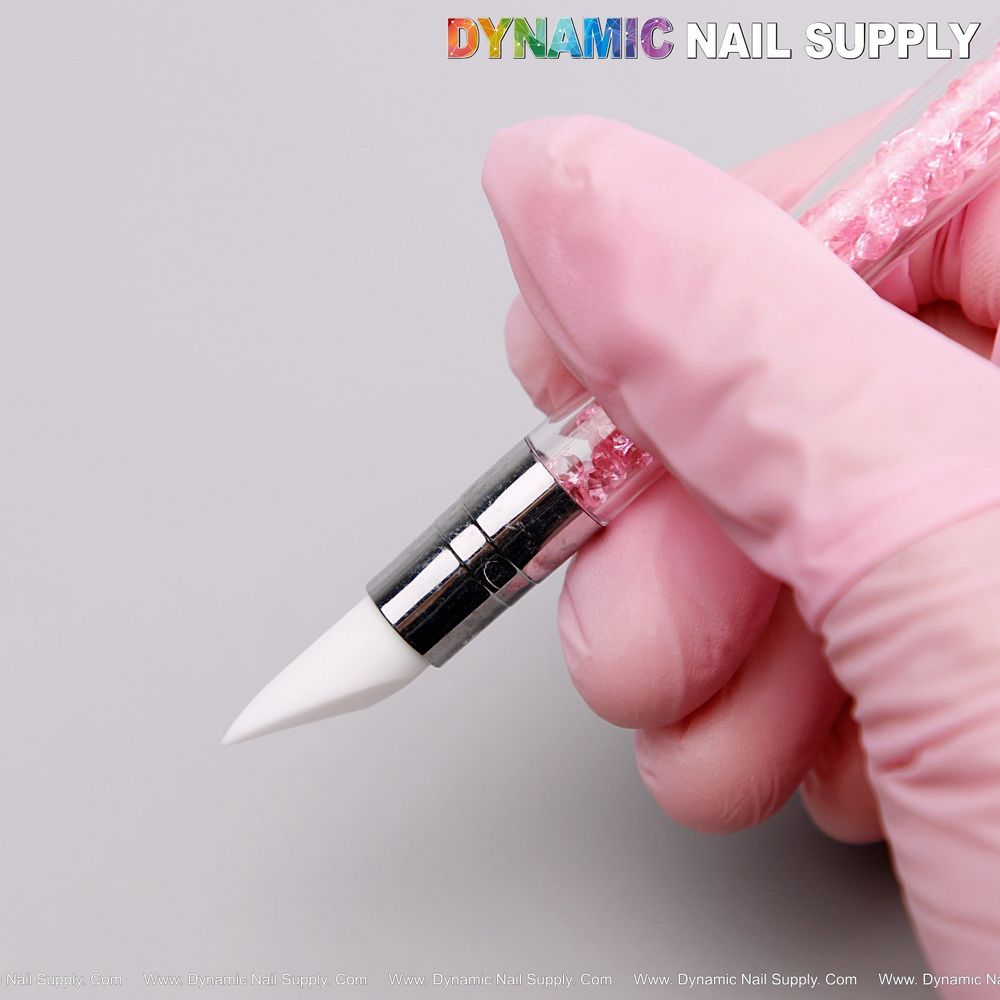
Silicone tips behave differently from metal or nylon tools: they don’t snag gels, they glide when shaping soft material, and they retain shape through repeated presses. A dual-ended brush gives you two shaping profiles in one compact implement—use one end for broader petals and the other for fine detail without switching tools mid-service. That simplicity keeps the manicure flow smooth from base prep to topcoat.
Step-by-step salon workflow with the brush
1. Prep and base service
Complete standard nail prep: cleanse, shape, and apply base gel as your salon protocol dictates. Cure base layers according to the gel manufacturer’s instructions before beginning any 3D work.
2. Dispense and position molding gel
Place a small bead of 3D or molding gel on a mixing palette. Use a brush or spatula to pick up the gel and deposit it on the nail where the flower center will be. Keep bead size consistent across fingers for uniform petals.
3. Sculpt petals with the silicone ends
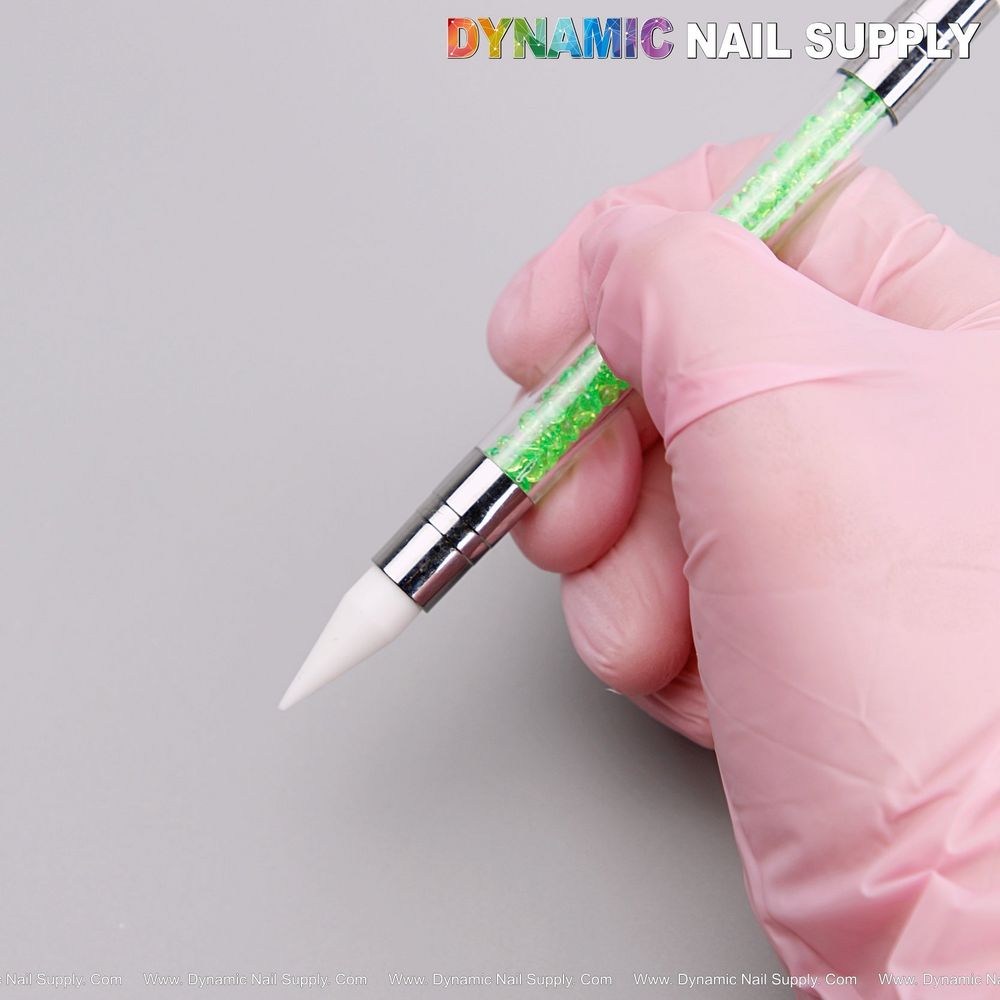
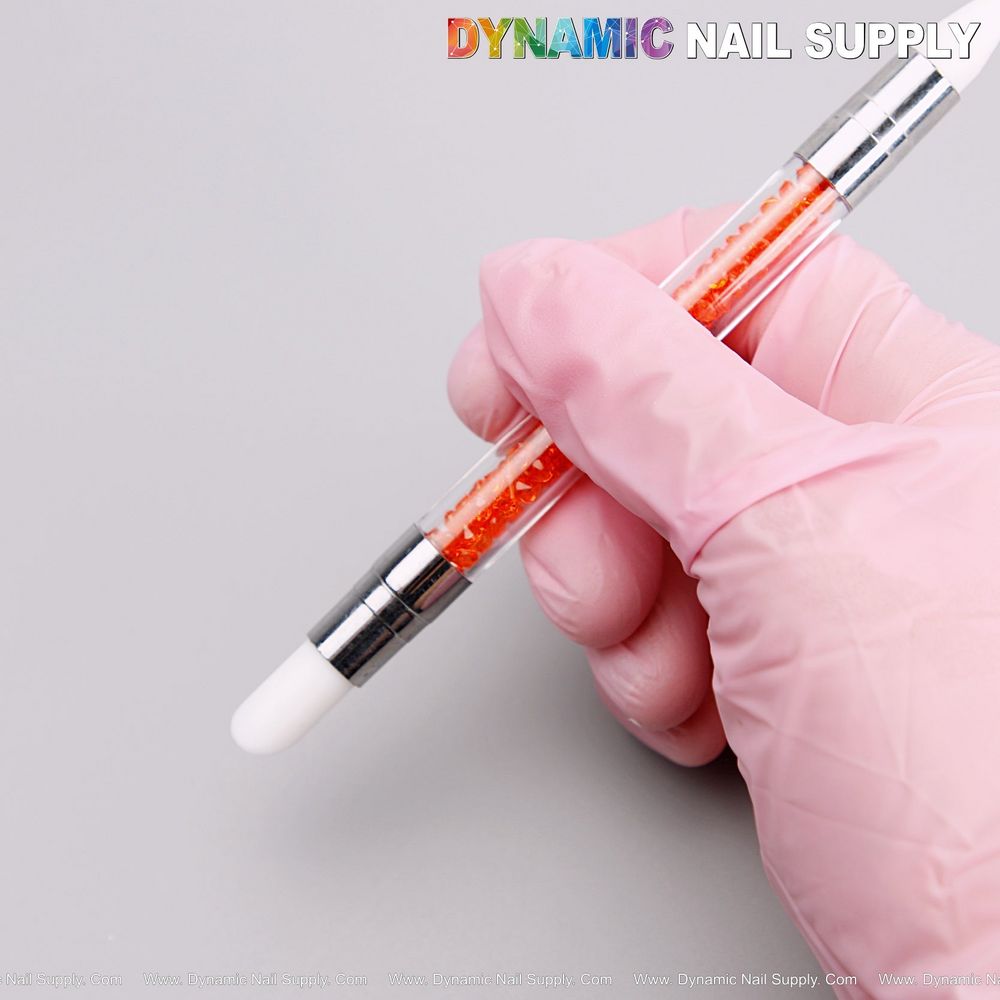
Use the broader silicone end to push and pull gel into petal shapes, pressing lightly and lifting to create dimension. Switch to the finer end to refine edges, define petal tips, or add tiny accents. Because the tool is dual-ended you can alternate without changeover delays.
4. Cure, refine, finish
Cure according to the molding gel’s instructions between layers as needed. After curing, use the fine end for any small smoothing touches, then finish the design with a compatible topcoat to protect the relief work.
Practical tips for faster, cleaner services
- Work in controlled amounts: Smaller beads reduce correction time and decrease curing steps.
- Keep a wet palette nearby: Retain gel workability for longer sessions without waste.
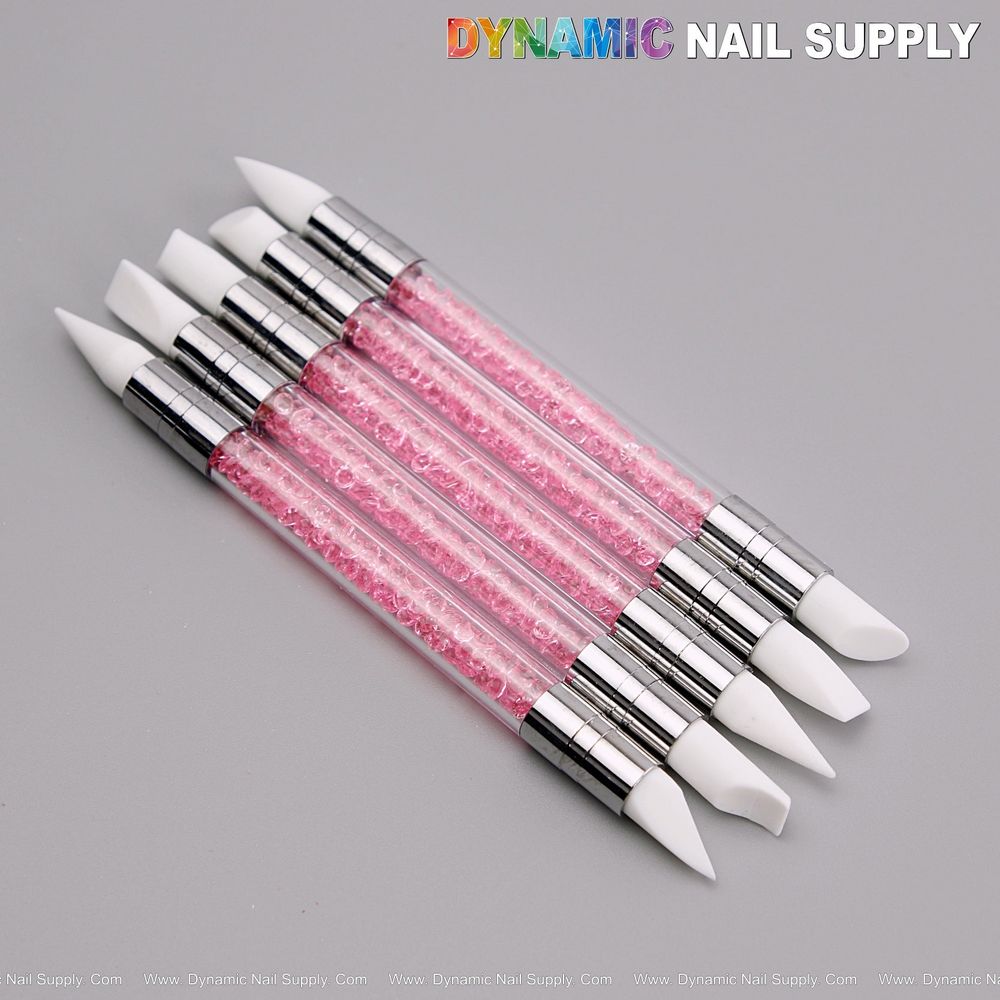
- One tool, multiple profiles: Use the broad end for most petals and the narrow end for centers and accentwork to cut tool swaps in half.
- Train with stations: Place a brush per station so technicians don’t borrow mid-service; this speeds appointments and maintains sanitation flow.
Key features in salon context
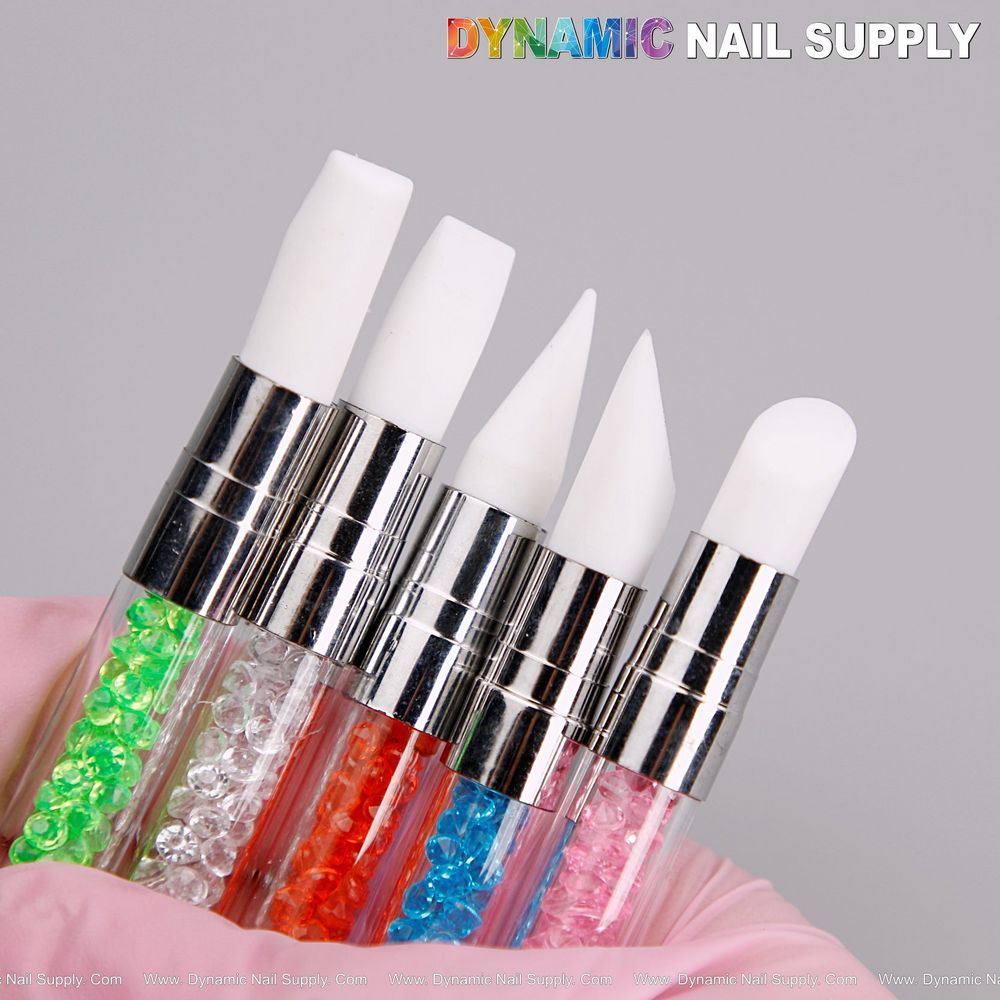
- Dual-ended design: Two shaping tips reduce interruptions and make detail transitions seamless.
- Silicone tips: Non-absorbent material minimizes sticking and eases cleaning between clients.
- Compact and portable: Lightweight enough for tool trays and travel kits; two color options (Pink, Multicolor) allow easy assignment by station or technician.
Who should add this tool to their kit?
This brush is aimed at nail technicians and salons offering 3D gel services, from boutique studios adding occasional florals to full-service salons that feature sculpted nail art on request. It’s useful for educators teaching molding techniques, and for mobile artists who need a compact, multi-profile shaping tool. The product is affordably priced at $6.99, making it easy to outfit multiple stations without large upfront cost.
Cleaning, care, and safety notes
- Clean immediately: Remove uncured gel from the silicone tips right after use using a wipe or brush cleaner recommended by your gel supplier to prevent buildup.
- Avoid harsh solvents: Use manufacturer-recommended cleaners; extended exposure to aggressive solvents can degrade silicone over time.
- Store flat: Keep the brush in a tray or drawer to protect tip profiles and prevent contamination.
- Sanitation protocol: Follow your salon’s standard sanitation procedures between clients. If your salon requires single-use tools for specific steps, assign and label brushes per technician.
Integrating into training and pricing
Introduce the tool during 3D sculpting modules so technicians learn efficient bead placement, pressure control, and when to switch ends. Because the brush cuts down on tool swaps and reduces correction time, you may be able to decrease service time on 3D floral add-ons while maintaining quality—helpful when setting realistic pricing and booking expectations.
For salons sourcing tools, this brush is available through trade suppliers; consider ordering multiple options for color-coding stations. Dynamic Nail Supply carries this type of brush and similar accessories for salon professionals.
Conclusion: A dual-ended silicone sculpting brush is a practical, cost-effective tool that fits neatly into a salon’s 3D molding workflow. It streamlines petal shaping, reduces downtime, and supports consistent results across technicians. Add to streamline your 3D flower services and bring uniformity to every appointment.
